The Science of Cool: How Refrigeration Works in Everyday Life
The Unseen Engineering Behind Everyday Comfort
Imagine a world without refrigeration. Food spoilage would be rampant, medical supplies fragile, and many of our favorite beverages lukewarm. This fundamental technology, often taken for granted, underpins much of our modern lifestyle. From the grocery store aisles to sophisticated laboratory environments, the ability to control temperature is not just a convenience but a critical necessity that impacts health, commerce, and daily comfort.
The challenge of maintaining optimal temperatures extends far beyond simply cooling a drink. It involves a complex interplay of physics and engineering designed to extract heat from one area and dissipate it elsewhere. Without effective refrigeration, perishable goods would quickly degrade, leading to significant waste and potential health risks from spoiled food. This constant battle against ambient heat requires reliable and efficient systems.
Consider the impact on industries. Restaurants rely on precise refrigeration for food safety and quality, while hospitals depend on it for storing vaccines, blood, and sensitive medications. Even in our homes, the refrigerator is a cornerstone appliance, preserving ingredients and leftovers, thereby reducing waste and enabling healthier eating habits. The continuous operation of these systems is vital for societal function.
However, the seamless operation of refrigeration systems is not always guaranteed. Many households and businesses face issues ranging from minor inefficiencies to complete system failures. These problems can lead to significant inconvenience, financial losses due to spoiled goods, and potential health hazards. Understanding the core principles and common pitfalls is essential for ensuring reliable performance and longevity.
Common Hurdles in Maintaining the Chill
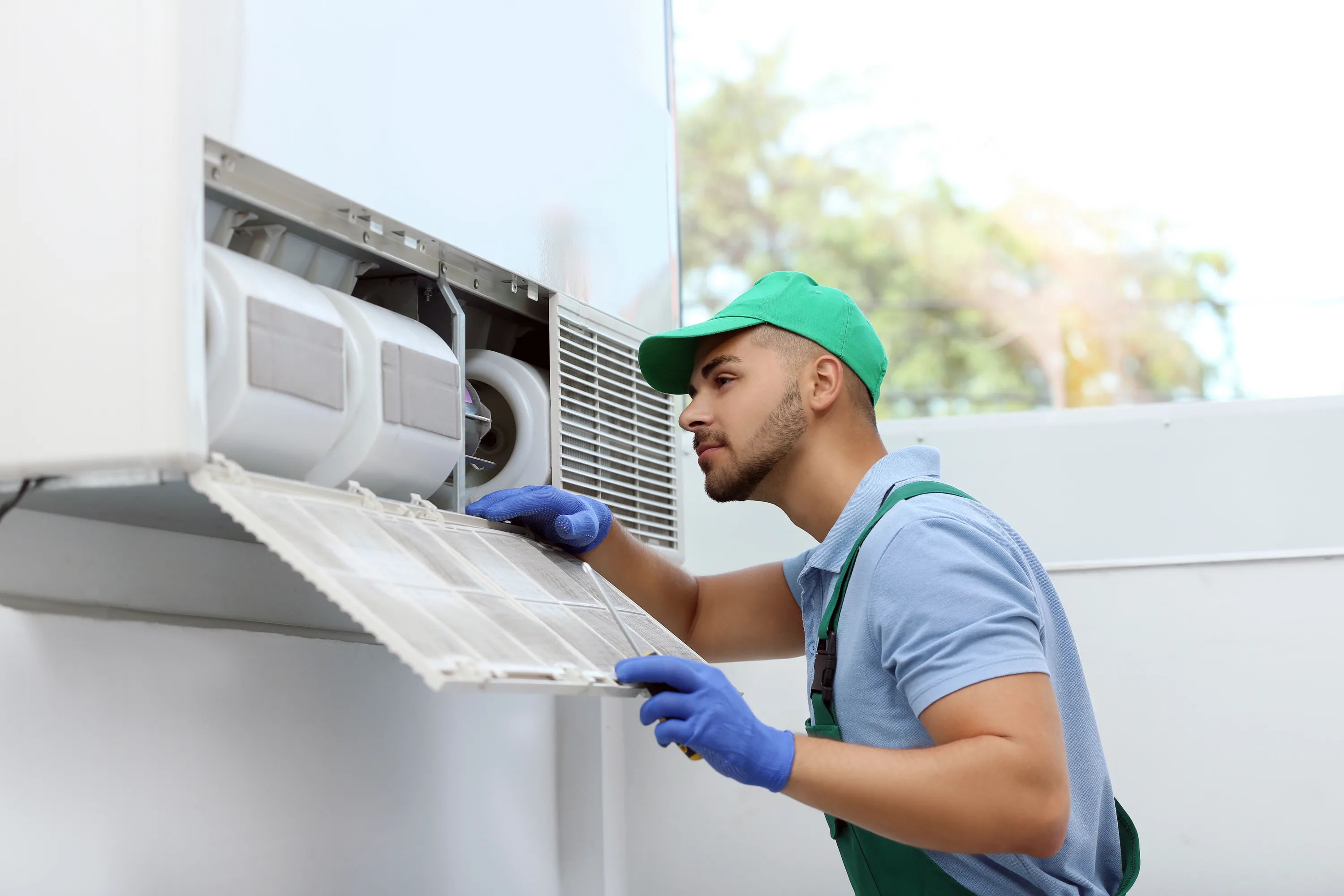
- Lack of Regular Maintenance: Dust and debris accumulation on coils, clogged filters, and worn-out components significantly reduce efficiency. This forces the system to work harder, consuming more energy and leading to premature wear.
- Improper Installation or Sizing: A system that is too large or too small for its intended space will struggle to maintain desired temperatures effectively. This often results in inconsistent cooling, increased energy use, and a shorter lifespan for the unit.
- Refrigerant Leaks: The lifeblood of any refrigeration system, refrigerant, can slowly escape over time due to tiny cracks or loose connections. This reduces the system's ability to absorb and release heat, leading to poor cooling performance.
Strategic Approaches to Optimal Cooling
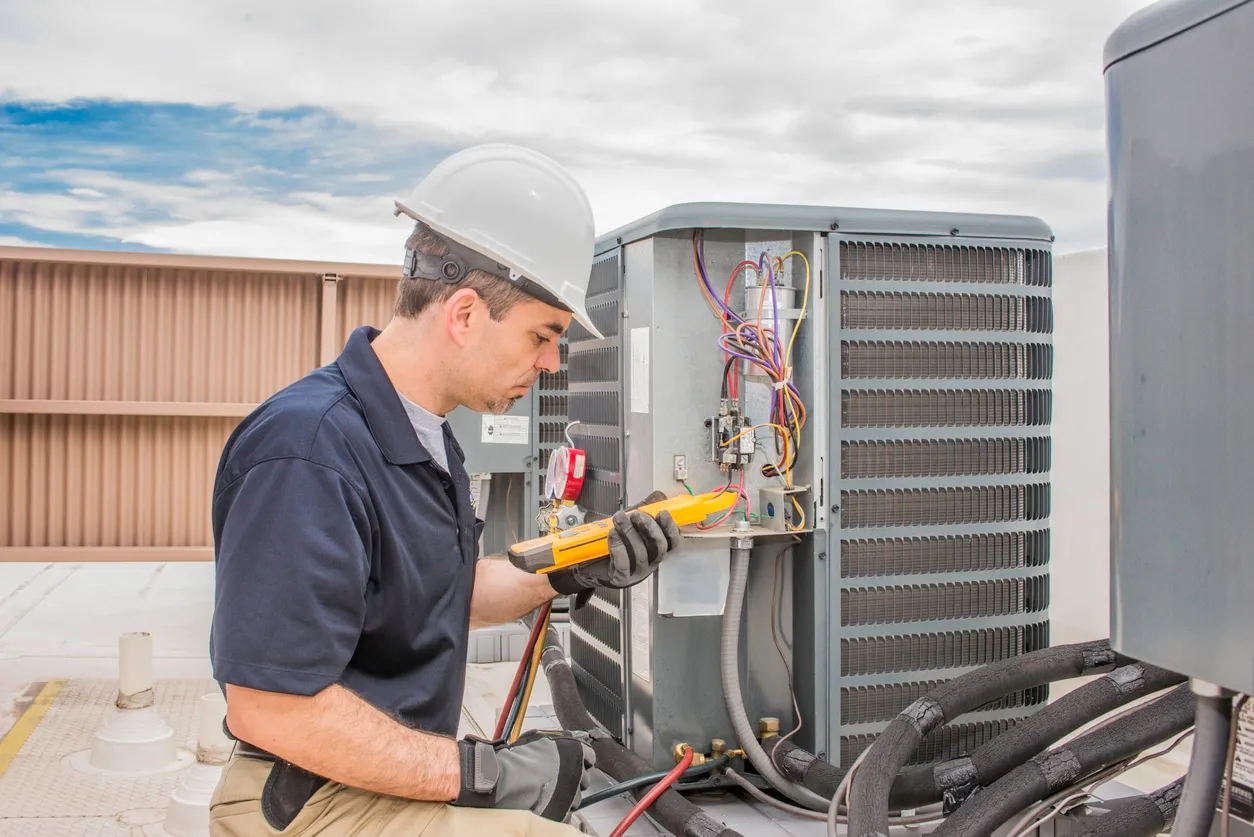
Maintaining an efficient refrigeration system requires a proactive and informed approach. One primary strategy involves regular, professional maintenance. This isn't just about fixing problems when they arise; it's about preventing them. A certified technician can perform routine checks, clean vital components, and identify potential issues before they escalate into costly repairs or system breakdowns.
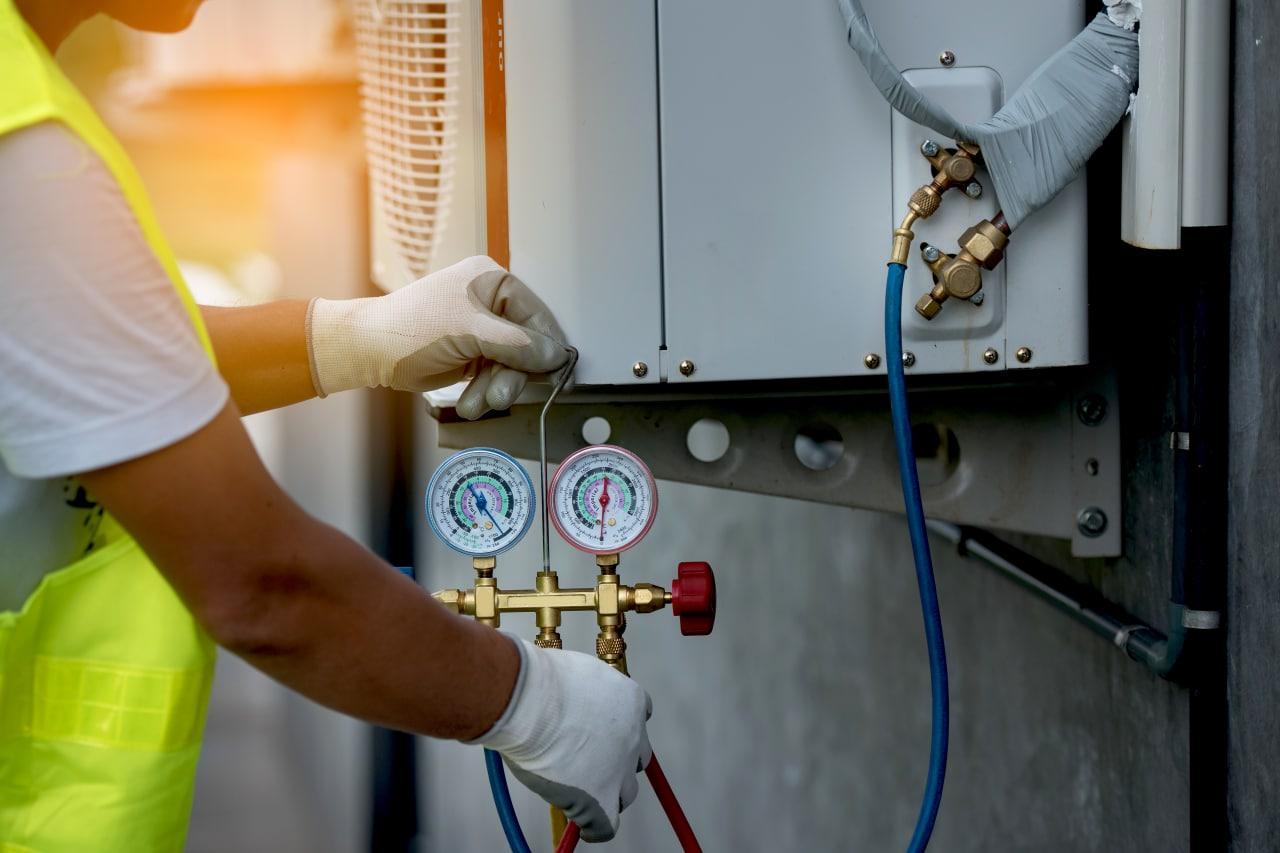
During these service visits, the technician will typically inspect refrigerant levels, check electrical connections, clean condenser and evaporator coils, and verify thermostat accuracy. This comprehensive care ensures that the system operates at its peak efficiency, extending its lifespan and keeping energy consumption in check. It’s an investment in reliability and long-term performance.
Another effective solution is to invest in modern, energy-efficient units. Older refrigeration systems often use outdated technology and consume significantly more power to achieve the same cooling effect. Upgrading to a newer model with a high Energy Star rating can lead to substantial energy savings over time, benefiting both your budget and the environment.
Newer units often incorporate advanced features like variable-speed compressors, improved insulation, and smart controls that adapt to usage patterns. These innovations contribute to more consistent temperatures, reduced operational noise, and enhanced reliability. While the initial cost may be higher, the long-term operational advantages are considerable.
Finally, implementing smart monitoring and control systems can revolutionize how refrigeration is managed. These technologies allow for real-time tracking of temperature, humidity, and system performance, often accessible via mobile devices. Alerts can be set up to notify users of any deviations, enabling immediate corrective action and preventing potential spoilage or equipment damage.
Such systems are particularly beneficial for commercial applications where consistent temperatures are paramount. They can optimize defrost cycles, manage power usage during off-peak hours, and provide valuable data for predictive maintenance. This level of control offers peace of mind and ensures that your refrigeration needs are met with precision and efficiency, a service PROCARE HANDYMAN SERVICES LLC, AIR CONDITIONING AND REFRIGERATION is well-versed in providing.
Potential Obstacles and Mitigations
- High Initial Investment for Upgrades: Modern, efficient systems can have a significant upfront cost. Recommendation: Explore financing options or lease agreements. Focus on the long-term operational savings and improved reliability that offset the initial expenditure.
- Disruption During Installation or Maintenance: Servicing or replacing large units can temporarily interrupt daily operations. Recommendation: Schedule work during off-peak hours or non-business days. PROCARE HANDYMAN SERVICES LLC, AIR CONDITIONING AND REFRIGERATION can help plan for minimal impact.
- Complexity of New Technology: Advanced smart systems might seem daunting to operate initially. Recommendation: Ensure thorough training for staff on new controls. Choose providers like PROCARE HANDYMAN SERVICES LLC, AIR CONDITIONING AND REFRIGERATION who offer comprehensive support and user-friendly interfaces.
Related Posts