Beyond Temperature: Why Indoor Air Quality Matters for Your Health
The Invisible Impact: Beyond Temperature for Home Wellness
Many homeowners prioritize maintaining a comfortable indoor temperature, adjusting thermostats to stay warm in winter and cool in summer. While temperature is a crucial aspect of comfort, it represents only one facet of a truly healthy living environment. Beneath the surface of ideal heating and cooling, an unseen challenge often lurks: the quality of the air we breathe daily. This often-overlooked factor significantly influences our overall well-being, yet its importance is frequently underestimated until noticeable symptoms arise. The air inside our homes can harbor a complex mix of pollutants, far beyond simple dust particles.
These can include microscopic allergens, volatile organic compounds (VOCs) emitted from common household products, mold spores, bacteria, viruses, and even particulate matter from outdoor sources. Unlike a noticeable draft or a sudden chill, these contaminants are often odorless and invisible, making their presence insidious.
They silently accumulate, transforming our personal sanctuaries into potential sources of subtle, chronic health concerns. The consequences of poor indoor air quality (IAQ) extend far beyond minor irritations. Prolonged exposure can lead to a range of health issues, from persistent allergies and asthma flare-ups to more systemic problems. Residents might experience frequent headaches, fatigue, difficulty concentrating, or disturbed sleep patterns. For vulnerable populations, such as young children, the elderly, or individuals with pre-existing respiratory conditions, the impact can be even more severe, potentially exacerbating existing illnesses and reducing their quality of life. Modern building practices, while improving energy efficiency, have inadvertently contributed to this problem.
Tightly sealed homes, designed to prevent heat loss or gain, also trap indoor pollutants, preventing them from dissipating naturally. Coupled with the increasing use of synthetic materials in furnishings, carpets, and cleaning agents, the concentration of airborne contaminants can rise dramatically. Understanding this dynamic is the first step toward creating a truly healthy and invigorating indoor atmosphere for everyone.
Understanding the Sources of Indoor Air Challenges
- Inadequate Ventilation: Modern homes, often built for energy conservation, can inadvertently trap stale air and pollutants indoors. Without proper air exchange, contaminants from cooking, cleaning, and even breathing accumulate, creating a less healthy environment.
- Indoor Pollutant Sources: A myriad of items within our homes release airborne particles and chemicals. These include pet dander, dust mites, mold spores from damp areas, off-gassing from furniture and carpets, and VOCs from paints, adhesives, and common cleaning supplies.
- Outdoor Intruders: Even with closed windows, external pollutants can infiltrate. Pollen, vehicle exhaust, industrial emissions, and wildfire smoke can enter through cracks, open doors, or even be drawn in by HVAC systems, affecting the air we breathe inside.
Strategies for Enhancing Your Home's Air
1. Advanced Air Filtration and Purification Systems
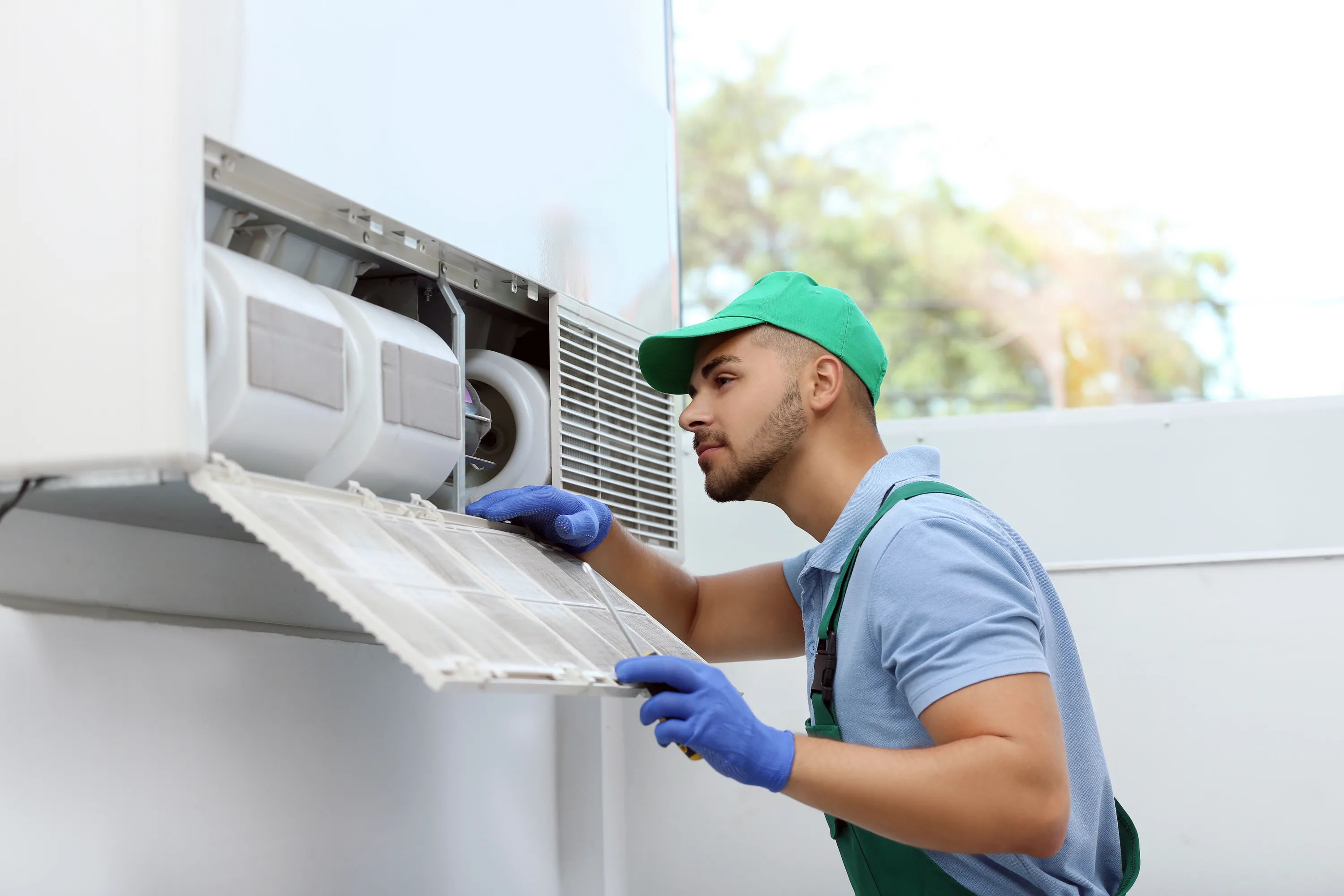
Upgrading your home's air filtration is a foundational step toward better indoor air quality. Moving beyond basic disposable filters, modern HVAC systems can incorporate advanced solutions designed to capture a much wider range of airborne particles. This proactive approach significantly reduces the presence of common irritants and allergens circulating throughout your living spaces, offering a noticeable improvement in air freshness.
Consider filters with a higher MERV (Minimum Efficiency Reporting Value) rating. A higher MERV rating indicates a filter's greater ability to capture smaller particles, including pollen, pet dander, and even some bacteria. While more effective, it's crucial to ensure your HVAC system is compatible with higher-MERV filters to avoid restricting airflow, which can strain your equipment and reduce its efficiency. For even greater purification, HEPA (High-Efficiency Particulate Air) filters are highly effective, capable of trapping 99.97% of airborne particles 0.3 microns or larger. These are particularly beneficial for individuals with severe allergies or asthma.
HEPA filters are often found in standalone air purifiers or can be integrated into whole-home systems, providing comprehensive coverage and peace of mind for sensitive occupants. Beyond mechanical filtration, technologies like UV-C germicidal lights can be installed within your HVAC ductwork. These lights are designed to neutralize airborne biological contaminants such as viruses, bacteria, and mold spores as they pass through the system. This adds an extra layer of defense, especially important in environments where health and sanitation are paramount, contributing to a truly healthier home. Regular maintenance of these systems is non-negotiable for optimal performance.
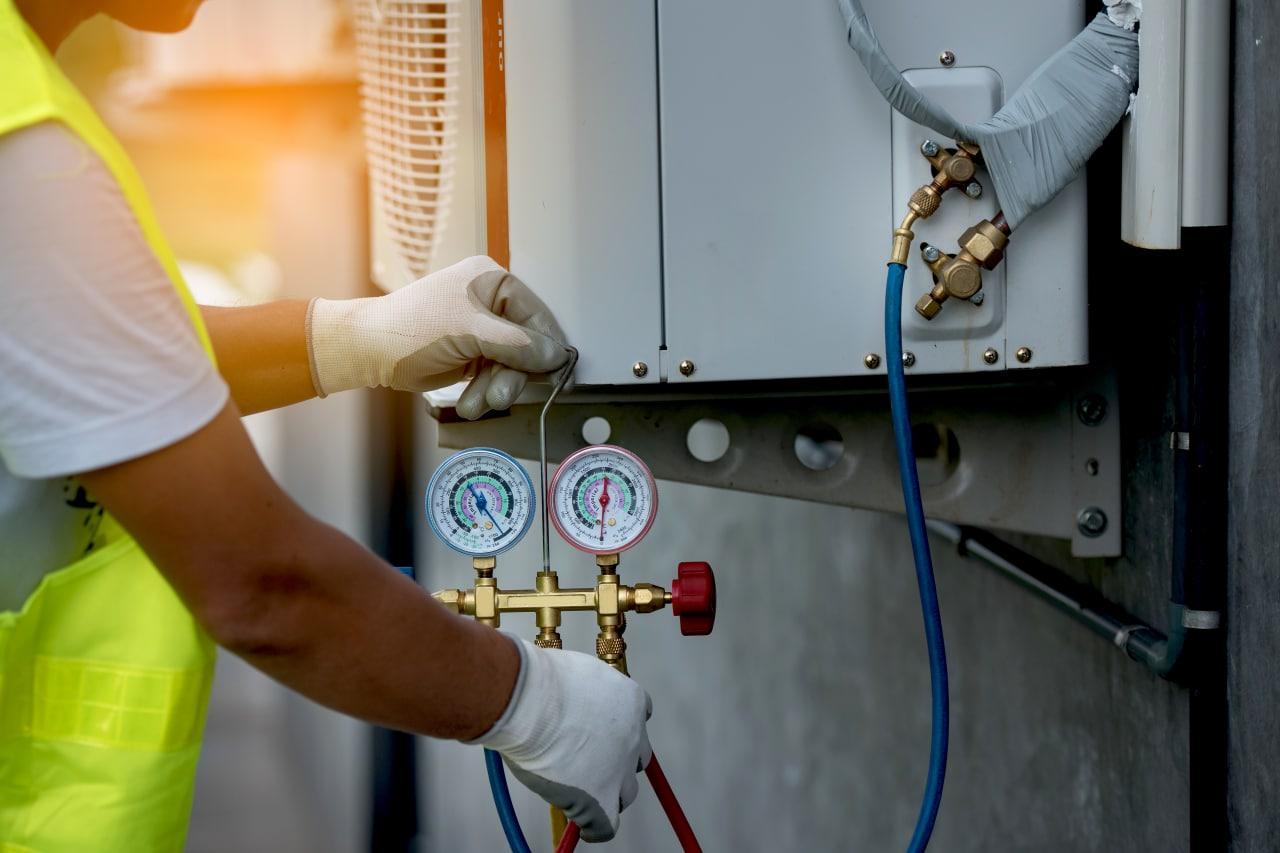
Filters need to be replaced or cleaned according to manufacturer guidelines, and UV-C bulbs have a finite lifespan. Consulting with professionals, such as those at PROCARE HANDYMAN SERVICES LLC, ensures proper installation and ongoing care, maximizing the effectiveness of your air quality investments and protecting your equipment.
2. Enhanced Ventilation and Air Exchange
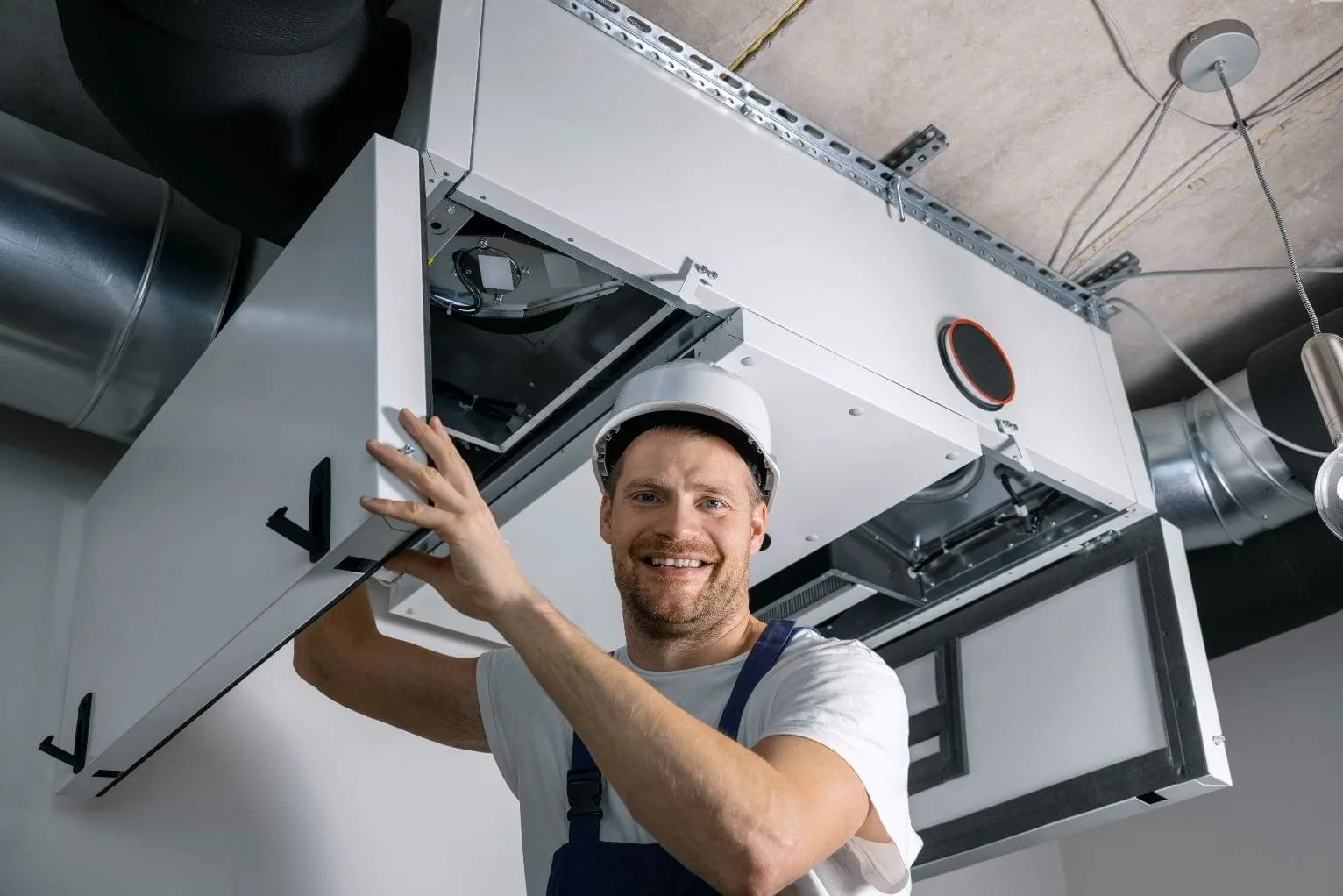
Effective ventilation is paramount for diluting and removing indoor pollutants. Simply opening windows can help, but it's often not enough, especially in extreme weather or high-pollution areas. Modern mechanical ventilation systems offer a controlled and energy-efficient way to introduce fresh outdoor air while expelling stale, contaminated indoor air, creating a continuous cycle of renewal.
Heat Recovery Ventilators (HRVs) and Energy Recovery Ventilators (ERVs) are excellent examples of such systems. HRVs transfer heat from the outgoing air to the incoming fresh air during colder months, minimizing heat loss. In warmer months, they do the reverse, reducing the energy needed to cool the incoming air. This ensures a constant supply of fresh air without significant impact on your energy consumption.
ERVs offer an additional benefit by transferring moisture along with heat. This is particularly valuable in humid climates, where they can help manage indoor humidity levels, preventing excessive dampness that can contribute to mold growth. By maintaining balanced humidity, ERVs enhance comfort and further protect your home's structure and contents from moisture-related damage, promoting a healthier environment. Implementing these systems means you no longer have to choose between fresh air and energy efficiency. They operate quietly in the background, providing continuous air exchange that significantly reduces the concentration of VOCs, carbon dioxide, and other airborne pollutants. This constant refresh helps to alleviate symptoms associated with poor IAQ, such as stuffiness, headaches, and fatigue, making your home a more invigorating space. Proper sizing and professional installation are critical for the optimal performance of any ventilation system.
An undersized system won't provide adequate air exchange, while an oversized one might consume unnecessary energy. Engaging experienced technicians, like the team at PROCARE HANDYMAN SERVICES LLC, AIR CONDITIONING AND REFRIGERATION, ensures your system is perfectly tailored to your home's specific needs, delivering maximum benefit.
3. Proactive Source Control and Monitoring
The most straightforward approach to improving indoor air quality involves identifying and minimizing the sources of pollution within your home. By taking mindful steps to reduce emissions at their origin, you can significantly lower the overall burden on your filtration and ventilation systems. This strategy empowers homeowners to actively manage their environment, creating a healthier foundation for living. This includes choosing low-VOC paints, furnishings, and cleaning products whenever possible. Opt for natural, unscented alternatives to harsh chemical cleaners and air fresheners. Regularly clean and dust your home to reduce accumulated allergens and particles. Controlling pet dander through regular grooming and designated pet areas can also make a substantial difference in the air you breathe daily.
Managing indoor humidity is another crucial aspect of source control. High humidity levels create an ideal breeding ground for mold and dust mites, both significant contributors to poor IAQ. Using dehumidifiers in damp areas like basements and bathrooms, ensuring proper ventilation during showers, and promptly addressing any leaks can prevent these issues from taking root and spreading throughout your home. Modern indoor air quality monitors offer valuable insights into your home's environment. These devices can track various parameters, including particulate matter (PM2.5), volatile organic compounds (VOCs), carbon dioxide (CO2), temperature, and humidity. This real-time data allows you to understand specific challenges in your home and take targeted actions, moving beyond guesswork to informed decisions. By actively monitoring and controlling pollutant sources, you create a more resilient and healthier indoor ecosystem.
This combined approach – reducing what enters the air, removing what remains, and exchanging stale air for fresh – offers the most comprehensive path to superior indoor air quality. It transforms your home into a truly restorative and health-promoting environment for everyone.
Potential Challenges and Recommendations
-
Inadequate System Selection:
Choosing the wrong IAQ solution for your home's
specific needs can lead to ineffective results or
even wasted resources.
Recommendation: Consult with HVAC experts, such as PROCARE HANDYMAN SERVICES LLC, AIR CONDITIONING AND REFRIGERATION, to assess your unique situation and recommend tailored solutions. -
Neglecting Regular Maintenance:
Even the best systems require consistent care.
Skipping filter changes or professional check-ups
can severely diminish performance.
Recommendation: Establish a routine maintenance schedule for all IAQ systems, including timely filter replacements and annual professional servicing, to ensure peak efficiency. -
Over-reliance on Technology: While
technology is powerful, it cannot entirely
compensate for poor lifestyle habits or unaddressed
pollutant sources.
Recommendation: Combine technological solutions with proactive source control, such as using low-VOC products and maintaining good household hygiene, for holistic air quality improvement.
Related Posts